
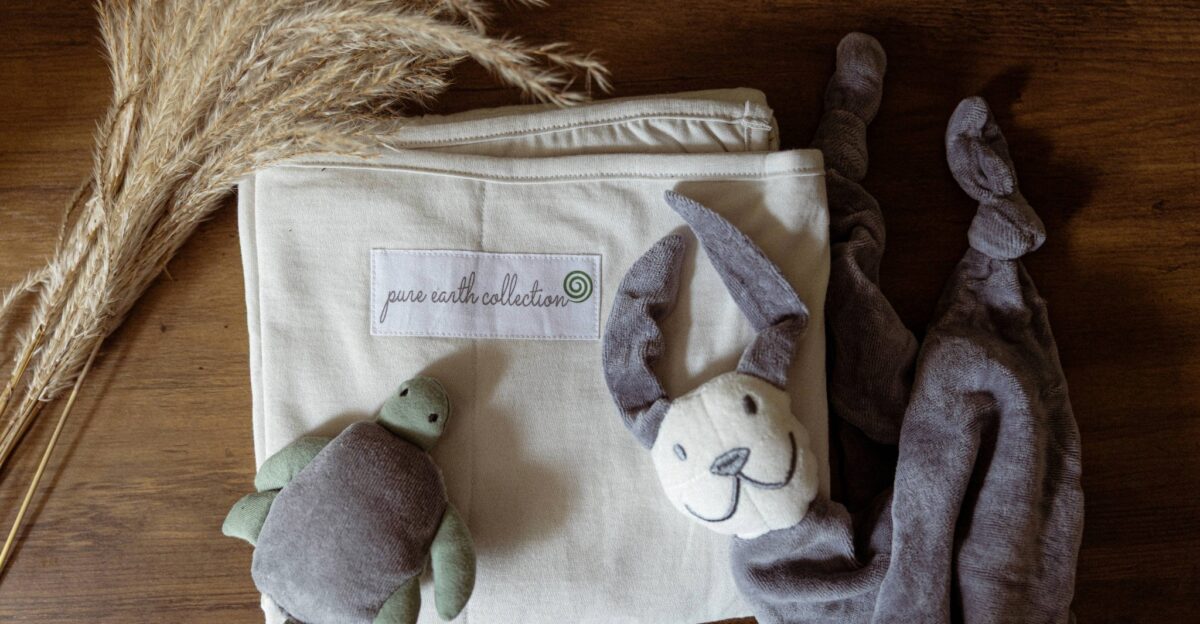
From bedtime stories to soft lullabies, we all want bedtime to feel calm, comforting and safe. But many parents don’t realise that the most seemingly innocent parts of their child’s sleep routine may actually be contributing to disrupted sleep, skin irritation, or long-term health concerns – all due to hidden toxins found in common household items.
As part of Organic September, we’re exploring the everyday materials that could be undermining your child’s sleep and wellbeing, and what to choose instead.
We don’t want to scare you, we just want to make you aware and help you to make small changes.
1. Synthetic Pyjamas: What’s Really in That Fabric?
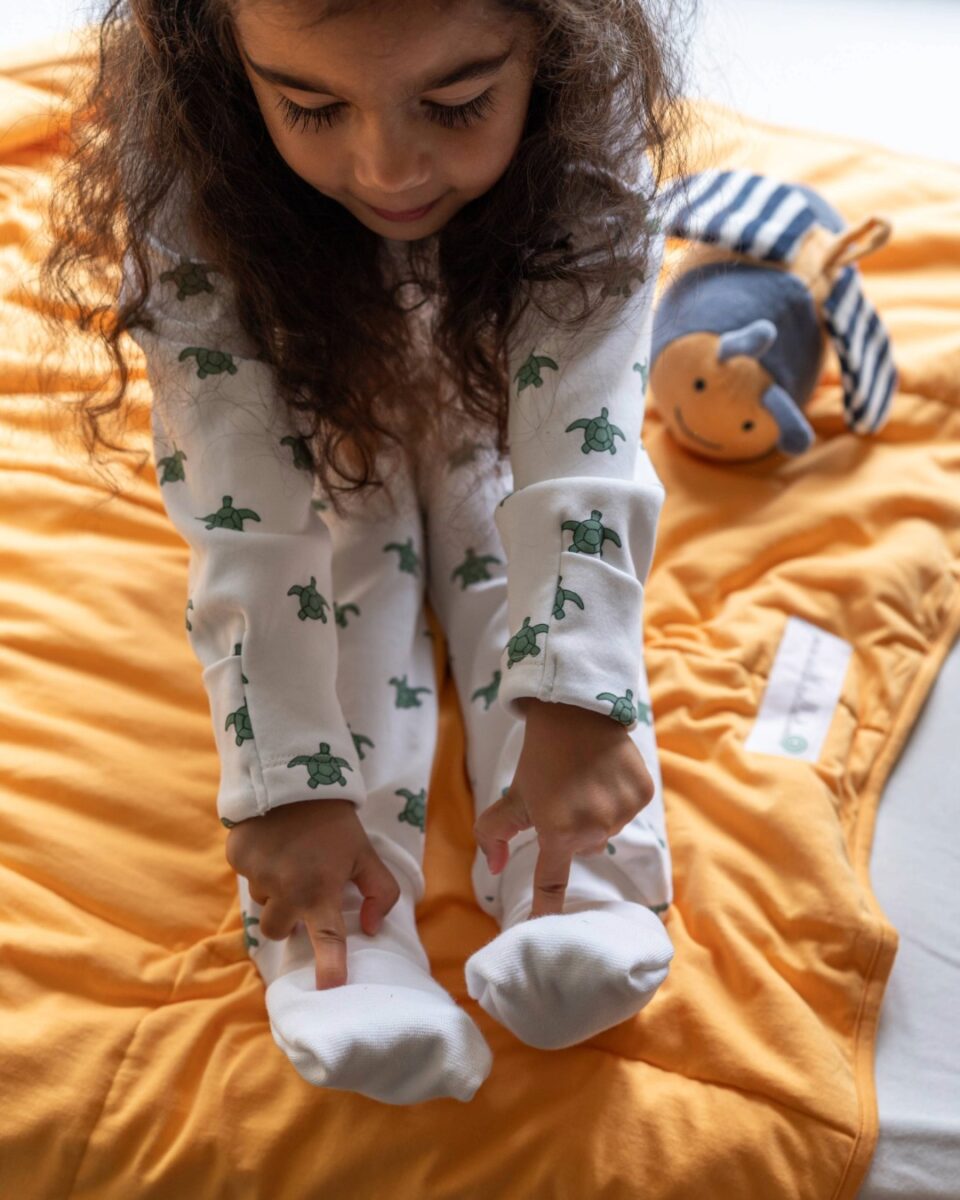
Many children’s pyjamas are made from polyester or polyester blends, a plastic-based fabric that traps heat, sheds microplastics, and often contains chemicals like flame retardants and formaldehyde. These toxins can off-gas while your child sleeps, especially as their body temperature rises under the covers.
Swap tip: Look for GOTS-certified organic cotton sleepwear that’s breathable, chemical-free, and gentle on sensitive skin. It helps regulate body temperature and reduce irritation for more restful sleep.
2. Sleeping Bags & Bedding: Warmth Shouldn’t Come With a Toxic Load
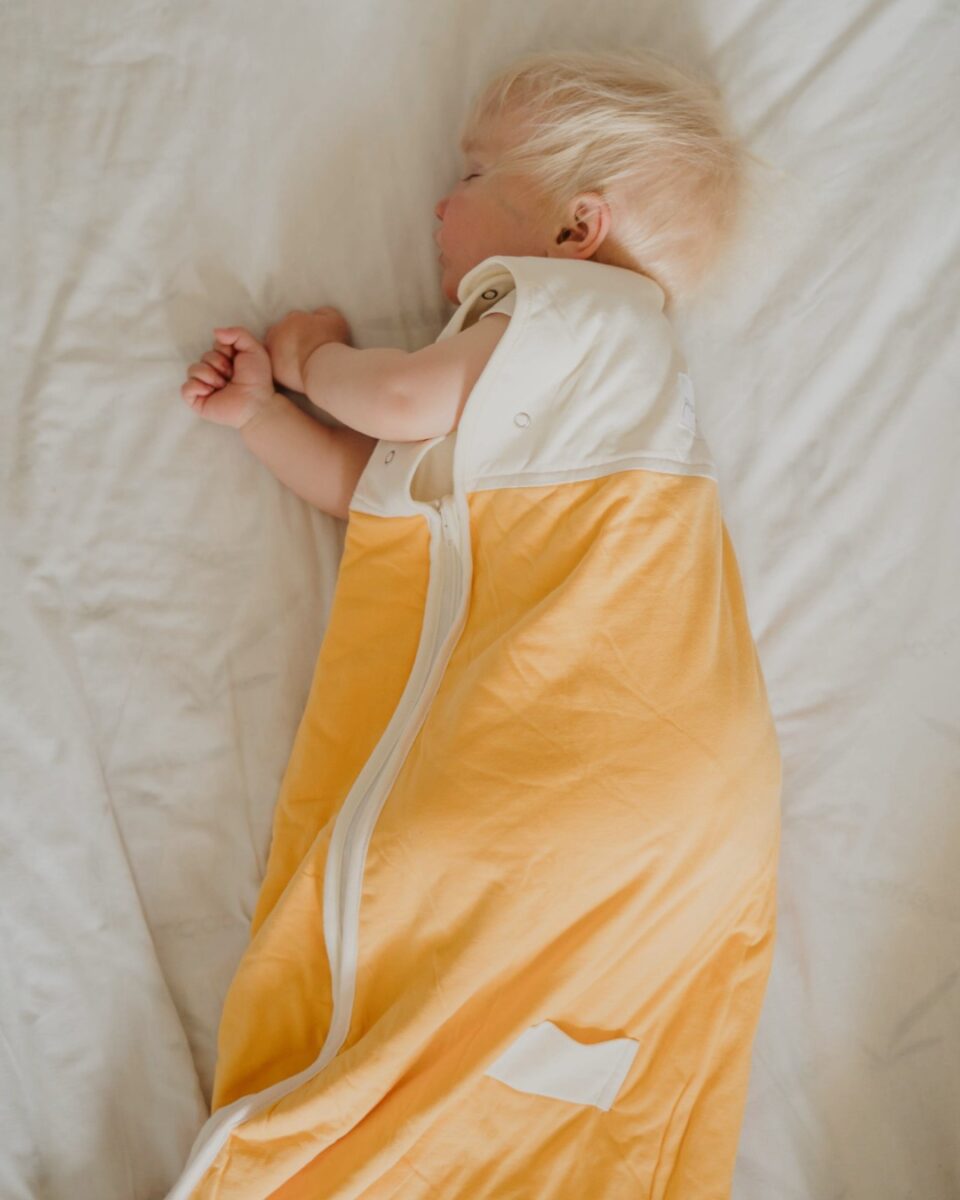
Thicker sleepwear and bedding can be a winter essential, but many conventional sleeping bags contain synthetic fillings, linings, and water-resistant coatings, all of which can leach harmful substances or trap unnecessary heat.
Swap tip: Choose natural-fibre sleeping bags made from organic cotton with plastic-free fillings. These support temperature regulation and are kinder on the skin (and the planet).
3. Polyester Toys & Plushies: Cute, But Not So Cuddly?
Your child’s favourite teddy might be part of the bedtime routine, but if it’s made from polyester, it’s likely to shed microplastics with every cuddle. These tiny fibres can be inhaled or ingested, especially by young children who sleep with toys close to their face.
Swap tip: Opt for organic, plastic-free toys made from natural fibres like organic cotton or wool. They’re safer, more sustainable, and still snuggly.
4. Blackout Blinds: Blocking Light, But Letting Toxins In?
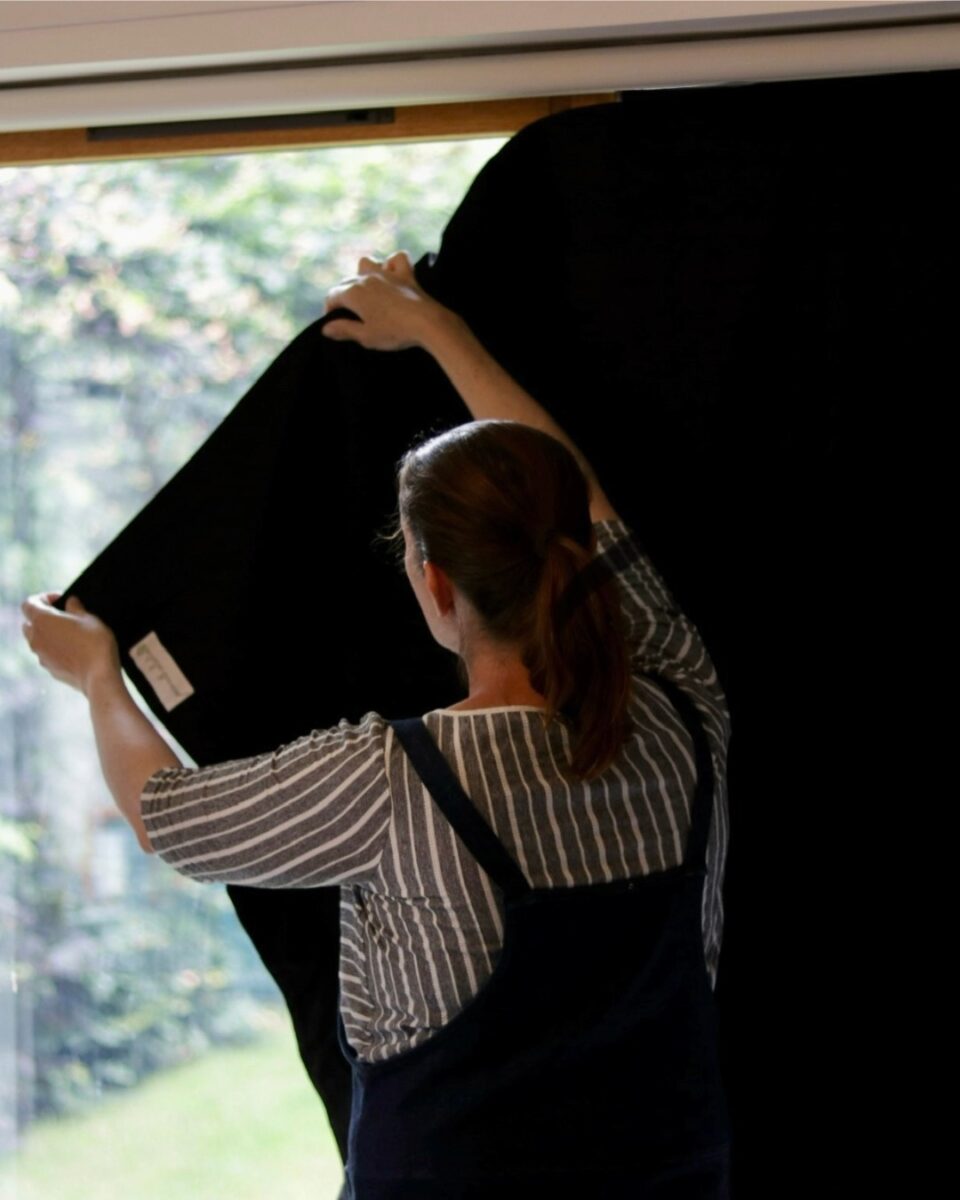
While blackout blinds are excellent for promoting melatonin production and deeper sleep, many are made from PVC or polyester, materials that can off-gas volatile organic compounds (VOCs) – especially when rooms heat up. Blackout blinds are perfect for all-year-round usage – to keep the sun out during lighter days and keeping you feeling cosy in the winter.
Swap tip: Seek out blackout blinds made without PVC or other harmful plastics. Natural, coated cotton alternatives or non-toxic certified blinds offer the same benefits without the fumes.
5. Kids Travel Beds: Convenience vs Chemicals
Whether for family or friends sleepovers or weekends away, travel beds are handy but most are made from polyester fabrics, plastic frames, and synthetic foams treated with flame retardants. When used in warm or enclosed spaces, these materials can off-gas, increasing your child’s exposure to toxic chemicals during sleep.
Swap tip: If you’re in the market for a travel bed, explore options that use organic fabrics, untreated natural fillings, or mattresses certified for low VOC emissions. Alternatively, create a safe sleep space using familiar organic bedding brought from home.
Why Organic Matters at Night
Your child spends around 12 hours a day asleep. That’s half their life in direct contact with bedding, pyjamas, soft toys, and bedroom air. Choosing organic, non-toxic alternatives isn’t just a lifestyle choice, it’s a health decision.
Going plastic-free at night helps:
- Improve sleep quality by reducing overheating and irritation
- Lower exposure to endocrine disruptors, flame retardants, and VOCs
- Create a calmer, more natural sleep environment to support growth and development
One Change at a Time
If this feels overwhelming, know that you don’t need to replace everything at once. The best place to start? Where your child spends the most time – their bed. Swapping synthetic sleepwear or bedding for organic alternatives is an easy, impactful first step.
This Organic September, we invite you to take a moment to look more closely at your child’s bedtime setup. Because healthier sleep isn’t just about how long they sleep, it’s also about what they’re sleeping in.