
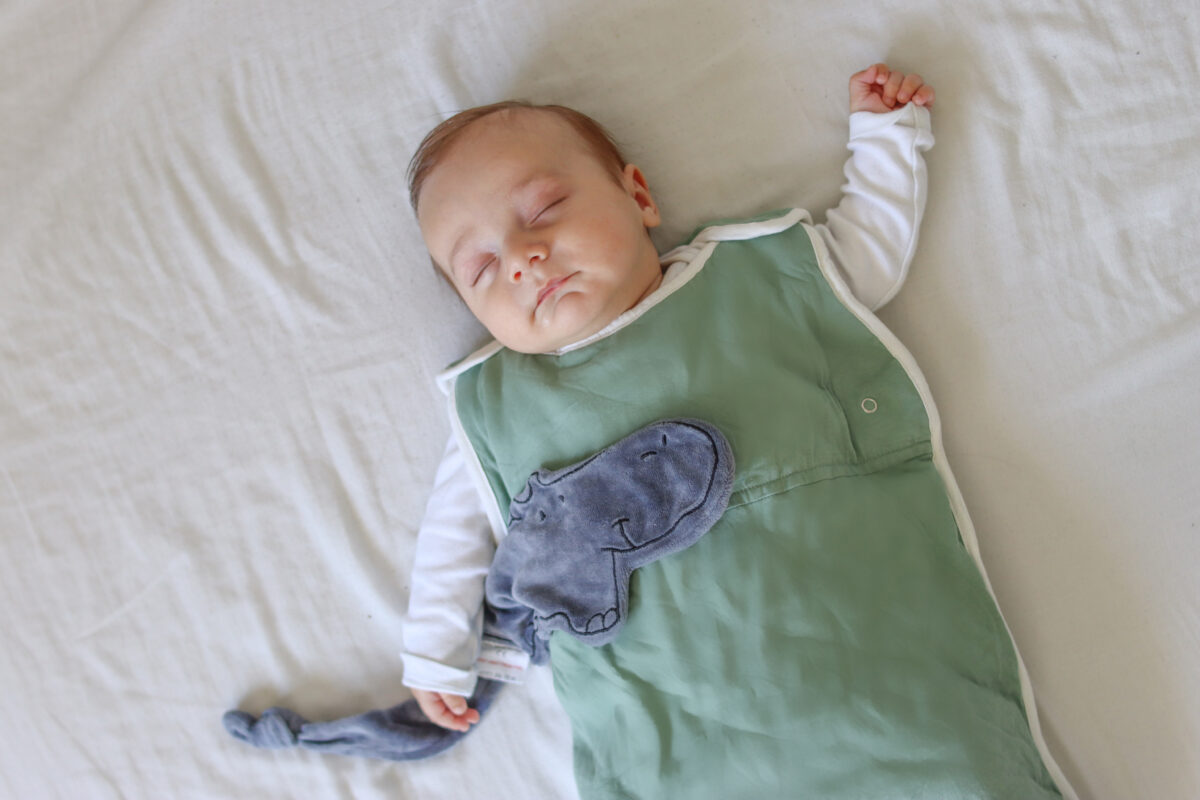
What’s the Issue?
Microplastics are tiny plastic particles (<5 mm) originating from the breakdown of plastic products or shedding from synthetic fabrics. They’re found everywhere from oceans and food to indoor air and even human bloodstreams.
Recent studies detected microplastics in baby stool at levels ten to twenty times higher than adults, and in placentas—suggesting even prenatal exposure. Worryingly, early-life exposure has been linked to inflammation, next-gen developmental issues, and potential long-term health effects.
Why Children Are at Risk
- More air, more toxins: Kids inhale more air per kg body weight than adults, raising exposure to airborne microplastics.
- Floor & mouthing behavior: Crawling or playing on floors increases contact with plastic fibers in dust.
- Synthetic stuff = shedding: Everyday items like polyester blankets, plastic toys, PVC blinds and synthetic carpets release a constant trickle of microplastics.
What the Research Says
- Animal and cell studies show microplastics may trigger oxidative stress, hurt liver function, disrupt hormones, and harm fertility.
- Though epidemiological data in kids is still limited, associations exist between early exposure and respiratory issues, immune problems, and metabolic concerns .
- Microplastics have been shown to significantly disrupt hormones, are linked to dementia and cause a 4.5x increased risk of stroke, heart attacks or premature death for those with microplastics in their bloodstream.
- The amount of microplastics in our bodies has shown to be significant. With higher levels associated with higher risks of adverse health effects. So any changes we can make for our families is important.
Real‑World Swaps to Reduce Exposure
- Choose natural fabrics – opt for organic cotton, responsible bamboo, wool, kapok, or modal. They don’t shed plastic fibers and are breathable and durable.
- Ditch synthetic soft toys – pick natural fabric alternatives and avoid polyester stuffing.
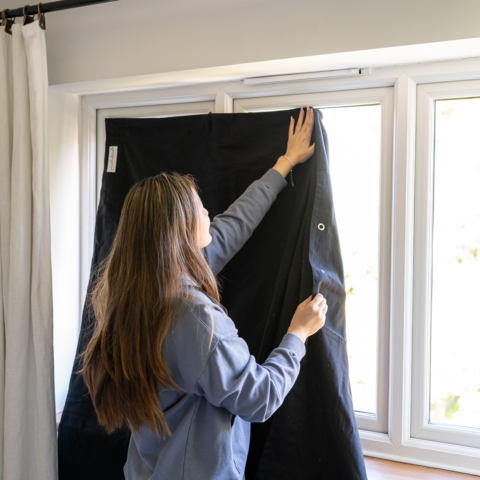
- Replace PVC/polyester blinds – choose non‑toxic blackout blinds made from plastic-free materials.
- Rethink swimwear – swimwear today is almost entirely made from plastic fabrics. Modern recycled synthetics still shed; choose cotton swimwear instead.
- Improve home habits – open windows for ventilation, wet‑dust with a natural fibre cloth instead of dry sweeping, and use HEPA filters to trap airborne particles.
- Avoid plastic food containers – use glass, and never put plastic in the microwave or dishwasher.
Why It Matters
Indoor air quality can be up to five times worse than outdoors in homes with many synthetic products. What happens in your home directly affects your children’s health and those plastics eventually leach into oceans and the wider environment.
How Pure Earth Collection Helps
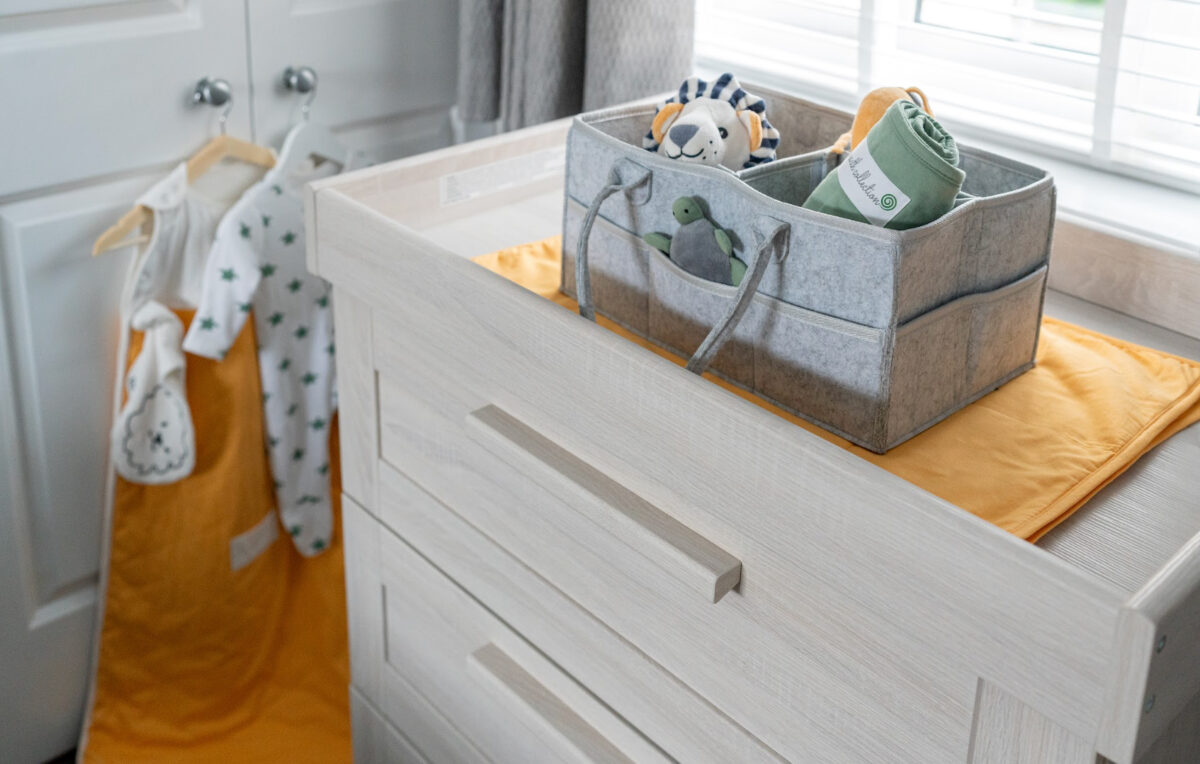
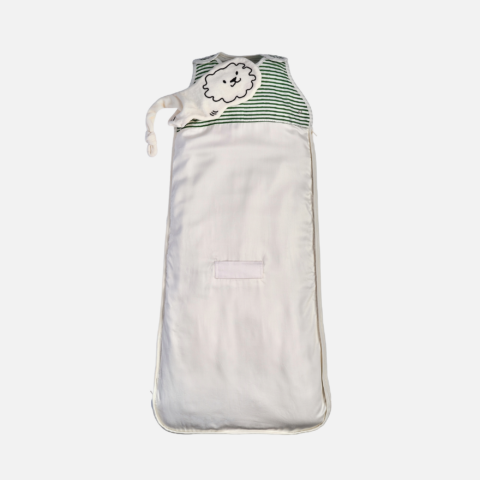
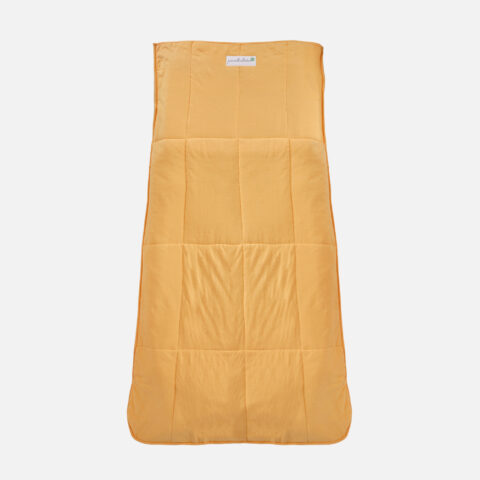
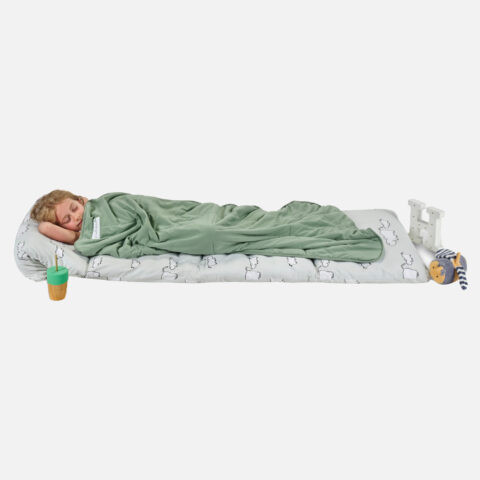
We create natural, thoughtfully designed, plastic‑free products like organic cotton sleeping bags, blackout blinds, travel beds, soft toys and natural fabric swimwear. All are aimed at reducing microplastics in your child’s environment and creating a healthier home.
Better Sleep Starts With Safer Materials
When it comes to your baby’s sleep, what they sleep in and on makes a big difference, not just for comfort and sleep quality, but for health too. Many conventional baby sleep products are made from polyester, which can trap heat, release microplastics, and release harmful chemicals.
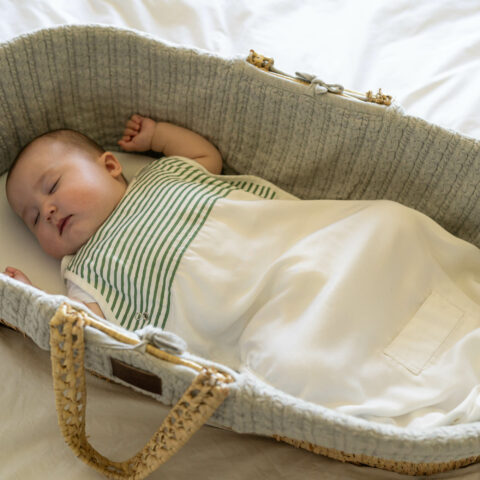
At Pure Earth Collection, our sleep range is designed with breathable, plastic-free fabrics that support deeper, healthier rest.
- Tropical Nights Bags (0.2 TOG): Lightweight, breathable, and perfect for warm nights. Made with soft modal, they help regulate body temperature and reduce night sweats, keeping babies comfortable and sleeping longer.
- All-Season Sleeping Bags: A versatile option for year-round use. Crafted from organic cotton and bamboo, these are naturally thermoregulating and free from synthetic fillers, creating a safe and soothing sleep environment.
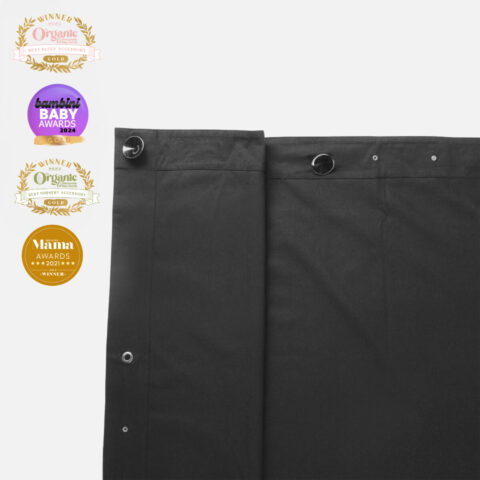
- Organic Blackout Blinds: A dark room supports melatonin production for deeper sleep. Our travel blackout blinds are made from non-toxic, plastic-free materials so your baby isn’t inhaling synthetic fumes or microplastics during sleep.
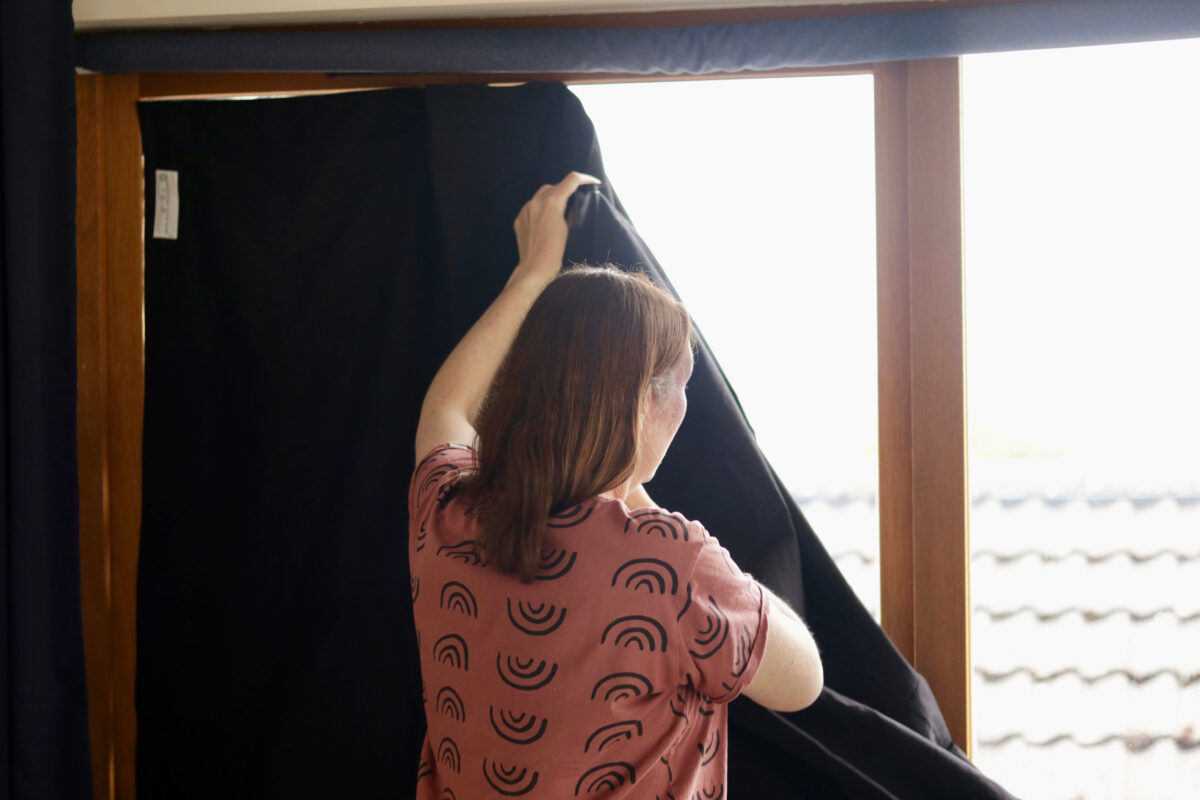
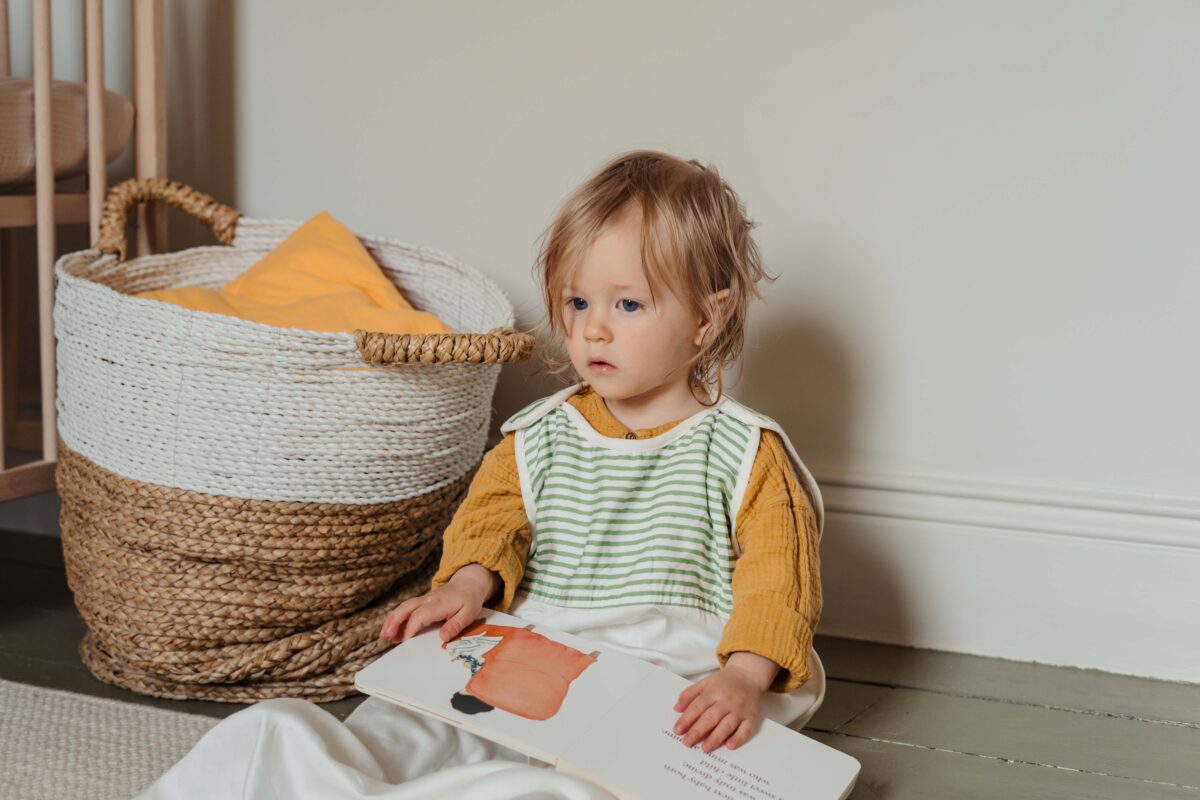
With these simple swaps, you’re not only creating a toxin-free sleep space – you’re also laying the foundation for healthier sleep habits.
Bottom Line: PLASTIC‑FREE = HEALTHIER START
Your family might not avoid every microplastic but with consistent swaps in sleep, clothing, play, and mealtimes, you can significantly reduce exposure. These changes help protect your children today and our environment tomorrow.
Explore our plastic‑free ranges today:
Sources: