
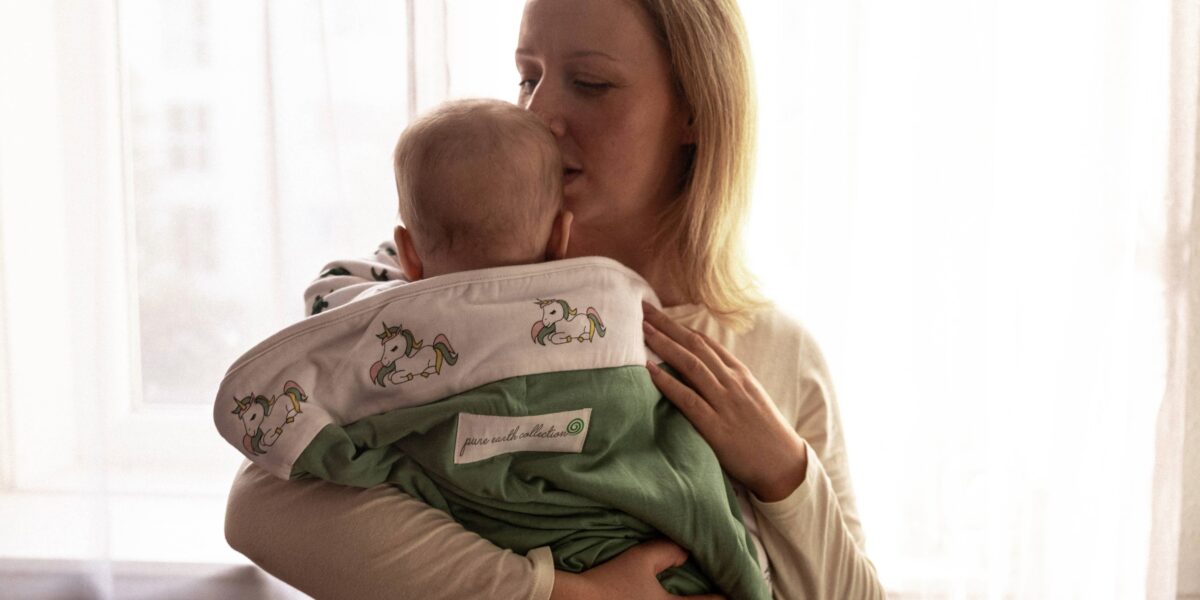
Your home environment impacts your child’s health far more than you think. Microplastics, PFAS chemicals, formaldehyde and other nasties build up inside our homes, creating toxic air and unhealthy environments for little people to thrive. A new year brings a fresh opportunity to clear out the old, simplify your home, and build healthier habits for the whole family. It’s easier than you think to make quick, meaningful changes which will have a big impact on your family’s health.
From polyester-filled bedding and synthetic toys to the fragrances and plastics that creep into daily life. Small swaps add up to a radically cleaner 2026. Here are 10 impactful, realistic, parent-friendly ways to detox your home this year.
1. Ditch Polyester for Kids’ Clothing & Sleepwear
Polyester is plastic. When children sleep, run and play in it, those fabrics shed microplastics that can enter their airways and even their bloodstream. Microplastics carry with them a whole host of chemicals added to the fabric to enhance their quality and performance, so they’re better kept away from your kids.
Short-term symptoms linked to synthetic fabrics include:
- Overheating or night sweats
- Skin irritation or eczema flare-ups
- Disrupted sleep
- Microplastic exposure during every wear
Unfortunately the longer term symptoms are more severe, and are linked to hormone disruption, early puberty for girls, cancer, obesity and other serious health concerns.
Start 2026 by swapping:
- Polyester pyjamas → 100% organic cotton sleepwear
- Fleece jumpers → natural knitwear
- Synthetic school thermals → breathable natural layers
Your child’s body will feel the difference almost immediately and you’ll be safeguarding their long term health exponentially.
2. Choose Natural, Organic Fabrics for Bedding
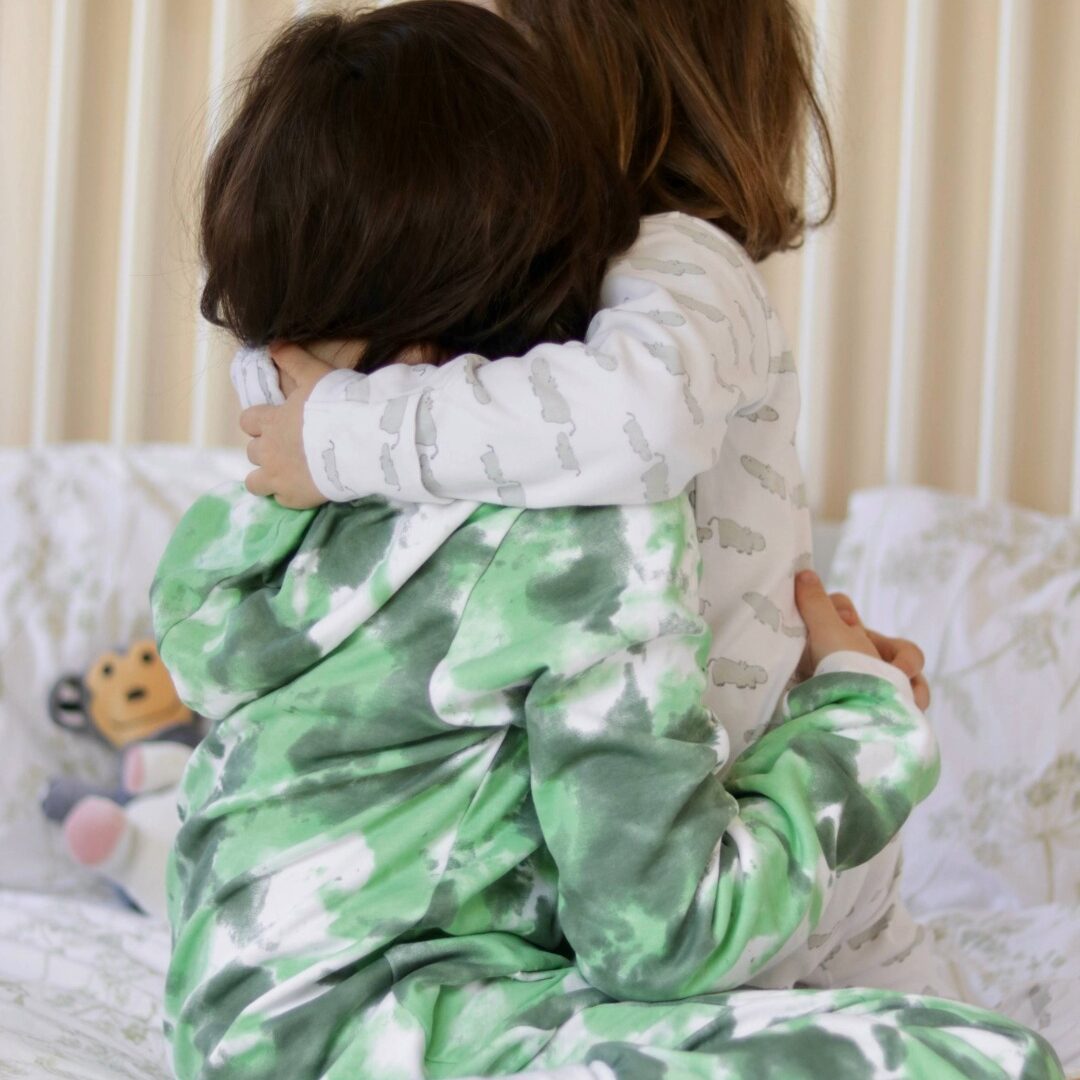
Sleep is where detoxing happens. When we sleep, our bodies rejuvenate themselves, fix anything which has happened throughout the day and carry out important detoxification processes. Most mainstream baby sleep products use polyester wadding or synthetic blends, even when the outer fabric looks “cotton”. These plastics trap heat, disrupt temperature regulation, and shed microplastics all night long.
For the healthiest sleep in 2026:
- Pick 100% organic cotton linings
- Avoid polyester wadding (check the small print!)
- Choose bags with natural bamboo or cotton fills
- Use breathable, low-tox bedding
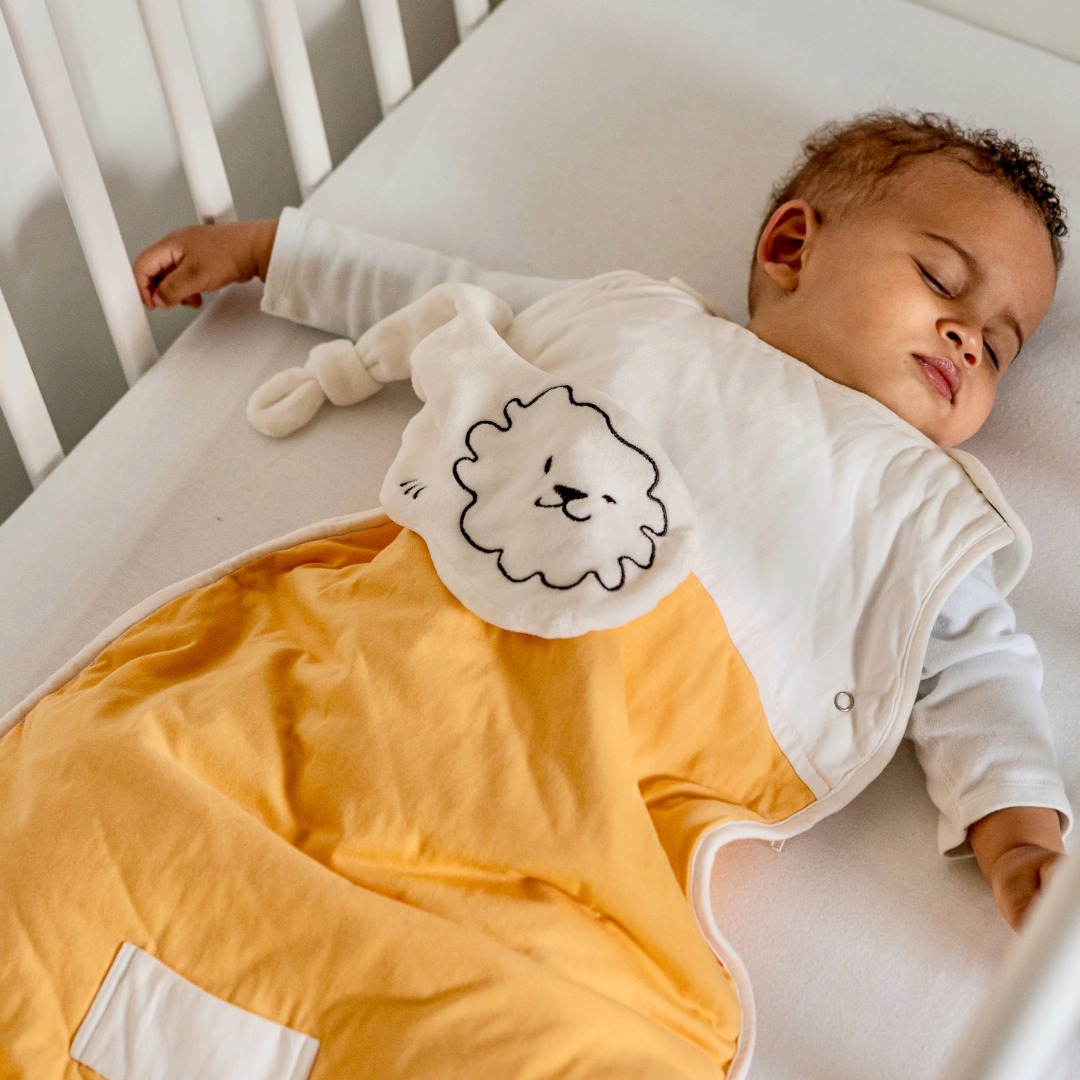
If you want one product to detox your nursery instantly, swap to our All-Season Organic Baby Sleeping Bag with natural wadding inside. Read about our award-winning 100% natural All-Season Sleeping Bag here.
3. Detox the Air (the Simple Way)
Indoor air is often more polluted than outdoor air. Children breathe more air per second than adults, making them more susceptible to indoor pollutants.
Make 2026 a year of:
- opening windows for 10-20 minutes daily
- avoiding synthetic air fresheners
- using air purifiers during winter
- hoovering and dusting more
- Cutting down on synthetic, microplastic shedding fabrics in our homes
- choosing beeswax or soy candles (never paraffin)
Clean air = calmer bodies + better sleep.
4. Reduce Plastic Toys and Bring in Natural Play
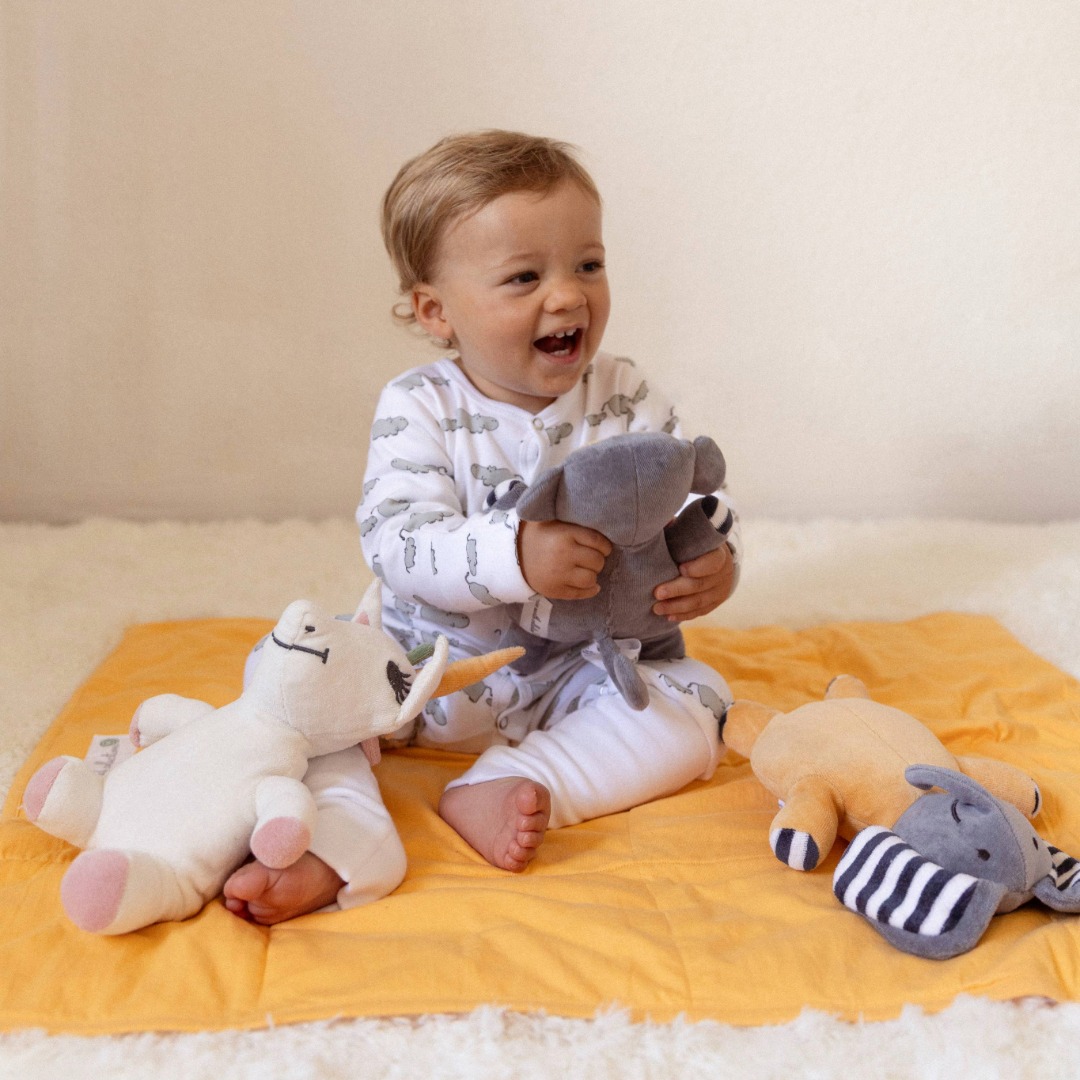
Plastic toys are one of the biggest microplastic sources in homes with small children. They shed constantly, especially soft plastics like teddies and soft toys, which are often chewed, sucked and shaken around.
Swap in:
- Wooden, stainless steel or silicone toys
- Organic cotton teddies
- Imaginative play items from natural materials
- Less plastic also means less clutter and calmer play.
5. Upgrade Your Laundry Routine
Hidden toxins live in:
- Fragranced detergents
- Synthetic softeners
- Plastic-derived laundry pods
Try this:
- Switch to fragrance-free, plant-based detergents
- Avoid softeners (they coat clothing in plastic)
- Line-dry whenever possible
- Use wool dryer balls for faster drying
Your clothes and your skin will thank you.
6. Make the Bathroom Low-Tox
Many bathroom products release VOCs, hormone disruptors and parabens.
Detox your bathroom by:
- Swapping plastic sponges → natural loofahs
- Synthetic towels → organic cotton
- Chemical cleaners → simple vinegar + castile soap
- Synthetic bath toys → silicone or stainless steel
Small swaps = big impact, especially for children who soak in them.
7. Reassess Food & Storage Plastics
Microplastics leach from:
- Plastic lunchboxes and waterbottles
- Pouches
- Cling film
- Scratched storage tubs
- Microwave plastics
- Teflon coated non-stick cookware
Choose instead:
- Stainless steel lunchboxes and water bottles
- Silicone lids and bags
- Glass jars or containers
- Beeswax wraps
- Stainless steel cookware
These swaps remove a daily exposure point for your little ones.
8. Detox the Bedroom First
If you only detox one room, make it the bedroom. Children spend 10-16 hours a day sleeping, plus time spent awake in their room. That’s the largest exposure window and a critical time when their bodies need to heal.
Focus on:
- Natural bedding
- Organic sleepwear
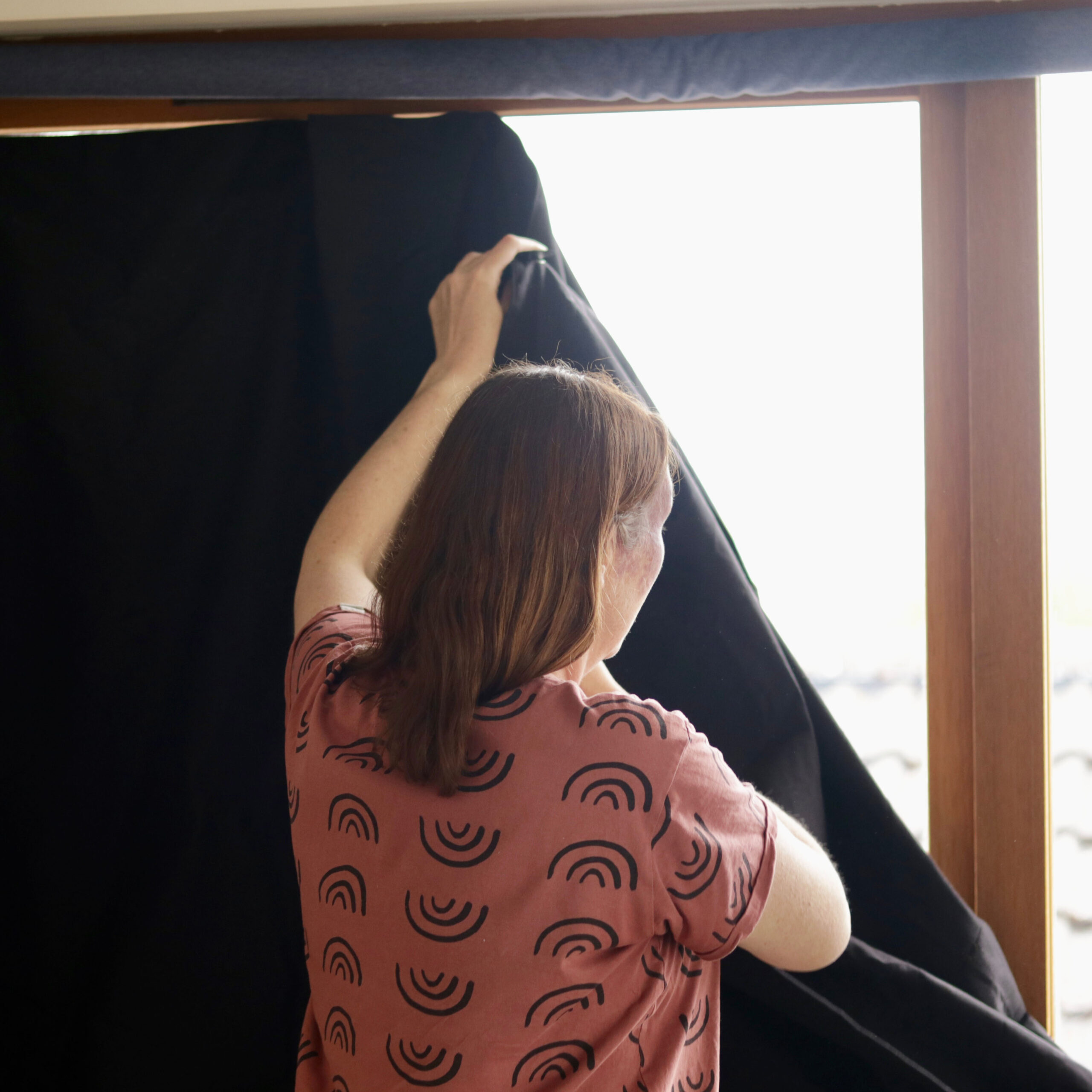
- Blackout blinds with no PVC – Try our Award-winning 100% Organic Cotton Blackout Blinds
- Plastic-free teddies
- Fragrance-free washing detergents for all bedding
Better bedroom = better sleep = better health.
9. Bring Nature Back Into the Home
Plants purify the air, ground the nervous system, and reduce household toxins.
Great low-maintenance options:
- Snake plant
- Spider plant
- Peace lily (out of children’s reach)
- Herbs on the windowsill
Nature calms the home and the body.
10. Create a Yearly “Detox Habit”
Once a season, do a simple check:
- What plastics have crept in?
- What synthetic fabrics are hiding in drawers?
- What items can be swapped for natural alternatives?
- What habits are we ready to improve?
Detoxing isn’t about perfection. It’s about continuous improvement, tiny upgrades, and choosing better for your family at your own pace. A detoxed home isn’t about strict rules; it’s about creating a space that supports your family’s physical and mental health. With more organic fabrics, fewer synthetics, and small, low-tox rituals woven into daily life, 2026 can be calmer, cleaner, and far kinder to your little ones and the environment.
Here’s to a healthier home, a cleaner planet, and a beautifully conscious start to the new year.